
Causes and Symptoms of Plantar Fasciitis

Plantar fasciitis is the inflammation of the thick band of tissue that runs along the bottom of the foot, connecting the heel to the toes. It typically causes sharp pain in the heel, especially with the first steps in the morning or after prolonged periods of rest. Risk factors include obesity, prolonged standing, tight calf muscles, and high-impact repetitive activities like running. Contributing causes include poor footwear, flat feet, or high arches. A podiatrist can evaluate foot structure, recommend custom orthotics, suggest stretching and strengthening exercises, and offer treatments to reduce inflammation and pain. If you have heel pain, it is strongly suggested that you consult a podiatrist who can provide an accurate diagnosis and treatment. 

Plantar fasciitis can be very painful and inconvenient. If you are experiencing heel pain or symptoms of plantar fasciitis, contact Richard M. Allen, DPM  from Idaho. our doctor can provide the care you need to keep you pain-free and on your feet.

What Is Plantar Fasciitis?

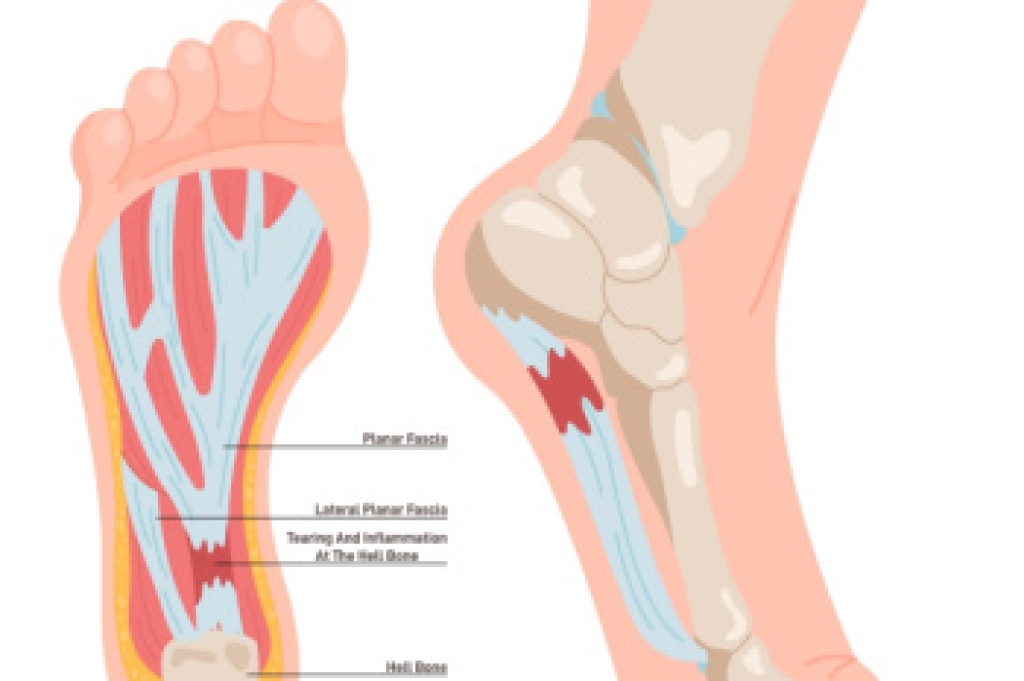
Plantar fasciitis is the inflammation of the thick band of tissue that runs along the bottom of your foot, known as the plantar fascia, and causes mild to severe heel pain.

What Causes Plantar Fasciitis?

  • Excessive running
  • Non-supportive shoes
  • Overpronation
  • Repeated stretching and tearing of the plantar fascia

How Can It Be Treated?

  • Conservative measures – anti-inflammatories, ice packs, stretching exercises, physical therapy, orthotic devices
  • Shockwave therapy – sound waves are sent to the affected area to facilitate healing and are usually used for chronic cases of plantar fasciitis
  • Surgery – usually only used as a last resort when all else fails. The plantar fascia can be surgically detached from the heel

While very treatable, plantar fasciitis is definitely not something that should be ignored. Especially in severe cases, speaking to your doctor right away is highly recommended to avoid complications and severe heel pain. Your podiatrist can work with you to provide the appropriate treatment options tailored to your condition.

If you have any questions, please feel free to contact our office located in Lewiston, ID . We offer the newest diagnostic and treatment technologies for all your foot care needs.
Read more about Plantar Fasciitis

Types of Flat Feet

Flat feet, called fallen arches, describe a foot structure where the medial arch is low or absent, allowing much of the sole to contact the ground. There are several types of flat feet, including flexible flat feet, the most common form. In this type, an arch may appear when the foot is not bearing weight but flattens during standing or walking. Rigid flat feet, which are less common, occur when an arch does not form at any time. This is often due to bone structure. Another type is acquired adult flatfoot, which develops later in life after normal arches were present. Flat feet can be linked to neurological conditions, inflammatory joint disease, or prior injury. A podiatrist can evaluate foot structure, assess gait, and determine treatment,  including custom orthotics. For help with foot pain caused by flat feet, it is suggested that you make an appointment with a podiatrist for an exam, diagnosis, and treatment.

Flatfoot is a condition many people suffer from. If you have flat feet, contact Richard M. Allen, DPM from Idaho. our doctor will treat your foot and ankle needs.

What Are Flat Feet?

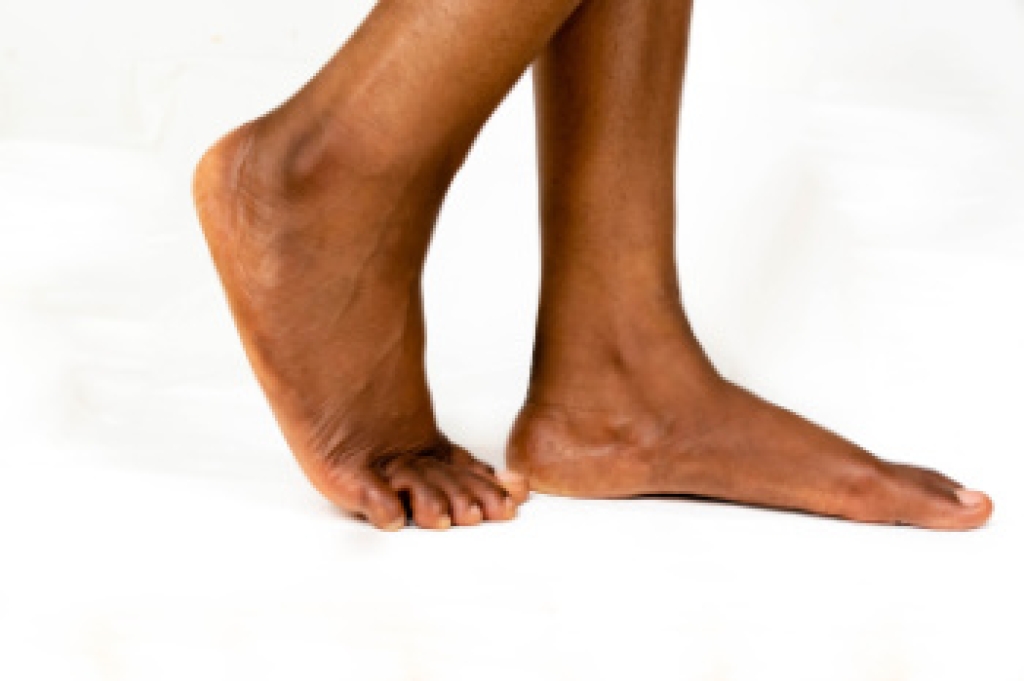
Flatfoot is a condition in which the arch of the foot is depressed and the sole of the foot is almost completely in contact with the ground. About 20-30% of the population generally has flat feet because their arches never formed during growth.

Conditions & Problems:

Having flat feet makes it difficult to run or walk because of the stress placed on the ankles.

Alignment – The general alignment of your legs can be disrupted, because the ankles move inward which can cause major discomfort.

Knees – If you have complications with your knees, flat feet can be a contributor to arthritis in that area.  

Symptoms

  • Pain around the heel or arch area
  • Trouble standing on the tip toe
  • Swelling around the inside of the ankle
  • Flat look to one or both feet
  • Having your shoes feel uneven when worn

Treatment

If you are experiencing pain and stress on the foot you may weaken the posterior tibial tendon, which runs around the inside of the ankle. 

If you have any questions, please feel free to contact our office located in Lewiston, ID . We offer the newest diagnostic and treatment technologies for all your foot care needs.

Read more about Flat Feet

Reminder: When Was the Last Time...?

Custom orthotics, or shoe inserts, should be periodically replaced. Orthotics must fit properly to give you the best results. Protect your feet and ankles!

Signs of a High-Ankle Sprain

High-ankle sprains affect the joint above the ankle where the lower leg bones meet and often occur during twisting injuries or sudden changes in direction. Unlike typical ankle sprains, pain is usually felt in the front of the ankle and may extend upward along the lower leg. Swelling may be mild at first, but discomfort often increases with walking, especially during push-off or rotation. People may notice stiffness, weakness, or a sense of ankle instability with movement, while bruising often appears later. Because high ankle sprains involve key stabilizing structures, recovery may take longer if the injury is not correctly identified. A podiatrist can perform an exam and request imaging to determine severity of the high-ankle sprain. Then a plan to protect the joint and restore movement can be formulated. If you have pain in the front of the ankle, it is suggested that you make an appointment with a podiatrist for an exam, diagnosis, and treatment.

Ankle sprains are common but need immediate attention. If you need your feet checked, contact Richard M. Allen, DPM from Idaho. our doctor can provide the care you need to keep you pain-free and on your feet.

How Does an Ankle Sprain Occur?

Ankle sprains take place when the ligaments in your ankle are torn or stretched beyond their limits. There are multiple ways that the ankle can become injured, including twisting or rolling over onto your ankle, putting undue stress on it, or causing trauma to the ankle itself.

What Are the Symptoms?

  • Mild to moderate bruising
  • Limited mobility
  • Swelling
  • Discoloration of the skin (depending on severity)

Preventing a Sprain

  • Wearing appropriate shoes for the occasion
  • Stretching before exercises and sports
  • Knowing your limits

Treatment of a Sprain

Treatment of a sprain depends on the severity.  Many times, people are told to rest and remain off their feet completely, while others are given an air cast. If the sprain is very severe, surgery may be required.

If you have suffered an ankle sprain previously, you may want to consider additional support such as a brace and regular exercises to strengthen the ankle.

If you have any questions please feel free to contact our office located in Lewiston, ID . We offer the newest diagnostic tools and technology to treat your foot and ankle needs.

Read more about Three Grades of Ankle Sprains

Connect With Us

scroll to top