
How Flip Flops Affect Your Feet

While flip-flops are popular for their convenience, wearing them often can lead to several foot problems. Unlike supportive shoes, flip-flops offer little to no arch support, cushioning, or stability. This lack of support can change how you walk, leading to strain in the arches, heels, and even ankles. Over time, this can contribute to conditions like plantar fasciitis or heel pain. Because your toes must grip the sandal to keep it in place, wearing flip-flops regularly can also lead to muscle fatigue and may affect the natural alignment of your feet. Many people develop calluses, cracked heels, or toe pain from constant use. The thin soles do not protect your feet from sharp objects or uneven surfaces either. If you are noticing pain or discomfort from wearing flip-flops, it is suggested you consult a podiatrist to explore healthier footwear choices and treatments.

Flip-flops are not always the best choice of footwear. If you have any concerns about your feet or ankles, contact Richard M. Allen, DPM from Idaho. our doctor will assist you with all of your foot and ankle needs.

Flip-Flops and Feet

When the weather starts warming up, people enjoy wearing flip-flops.  Flip-flops are comfortable, stylish, and easy to slip on and off; they're perfect for any summer beach goer.  However, these shoes can cause harm to the feet.

How Can Flip-Flops Affect Me Long-Term?

  • Ankle problems
  • Hip problems
  • Lower back problems
  • Pain in the balls of the feet
  • Problems with foot arches
  • Changes in the way you walk

Are There Injuries Associated with Flip-Flops?

Yes.  Since flip-flops are relatively weak and do not provide the same amount of support as sneakers, people who wear flip-flops regularly are more susceptible to injuries. On top of that, the open nature of the shoe makes your feet more prone to other problems, such as cuts and even infections.  Common injuries and ailments include:

  • Sprained ankles
  • Blisters
  • Infections
  • Cuts and Scrapes

I like Wearing Flip-Flops. Are There Safe Alternatives?

When buying flip-flops, try to find ones that have sturdy soles and that are made of high-quality materials that will support for your feet.  These flip-flops will cost more but will also last longer as a result.

If you have any questions, please feel free to contact our office located in Lewiston, ID . We offer the newest diagnostic and treatment technologies for all your foot care needs.

Read more about Flip Flops and Feet

Choosing the Right Running Shoes for Marathon Running

Finding the right marathon running shoes means prioritizing function over fashion. Marathon shoes should support your unique foot shape and daily biomechanics rather than follow fashion trends. One size or style does not fit all, so what works for one runner may not suit another. Daily foot support is essential, especially during long training sessions that test endurance and form. Wearing ill-fitting shoes can lead to injury, fatigue, or discomfort that affects performance. A podiatrist can assess your gait, foot type, and training habits to recommend the most supportive and effective shoe options. If you have developed foot or ankle pain from running, it is suggested that you consult a podiatrist who can treat various foot conditions, and guide you on appropriate running shoes.

You should always make sure your running shoes fit properly in order to avoid injury. For more information, contact Richard M. Allen, DPM from Idaho. our doctor can provide the care you need to keep you pain-free and on your feet.

Choosing the Right Running Shoe for Your Foot Type

Improper shoe sizing can cause a myriad of problems for your feet. Shoes that don’t fit you properly can lead to muscular imbalances in your body, which can result in foot, knee, and hip injuries.

Tips for Finding the Right Running Shoe

  • Make sure you have a thumb’s width of wiggle room between the end of your longest toe and the front of the shoe.
  • There should be little to no slipping at the heel
  • Don’t assume your size in one shoe brand will be your size in another
  • Do not lace up your shoes too tightly
  • Walk around in the store with your new shoes before you buy them

If you have any questions, please feel free to contact our office located in Lewiston, ID . We offer the newest diagnostic and treatment technologies for all your foot care needs.
Read more about Differences between Walking and Running Shoes

Managing Bunions

Bunions are more than just a bump on the side of your big toe, they can cause chronic discomfort and significantly affect daily life. In addition to the classic symptoms of redness, swelling, and pain at the joint, a bunion may also lead to numbness, tingling, and calluses due to shoe friction. Some people experience balance issues or compensation pain in the knees, hips, or lower back, as they shift their weight to avoid pressure on the bunion. Over time, as the big toe angles sharply toward the other toes, overlapping or joint stiffness may occur. A podiatrist can evaluate the severity of the bunion and offer tailored treatment options, from custom orthotics and footwear recommendations to padding, targeted exercises, and surgical solutions, if necessary. Early intervention can slow progression and relieve discomfort. If you have a painful bunion, it is suggested that you schedule an appointment with a podiatrist for appropriate treatment.

If you are suffering from bunion pain, contact Richard M. Allen, DPM of Idaho. our doctor can provide the care you need to keep you pain-free and on your feet.

What Is a Bunion?

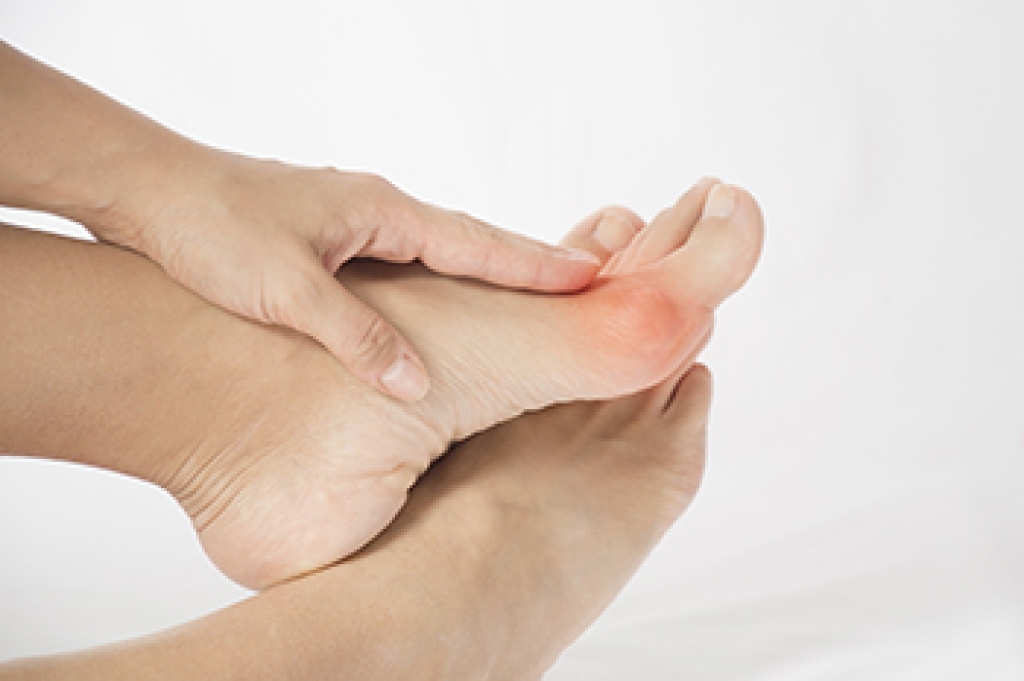
Bunions are painful bony bumps that usually develop on the inside of the foot at the joint of the big toe. As the deformity increases over time, it may become painful to walk and wear shoes. Women are more likely to exacerbate existing bunions since they often wear tight, narrow shoes that shift their toes together. Bunion pain can be relieved by wearing wider shoes with enough room for the toes.

Causes

  • Genetics – some people inherit feet that are more prone to bunion development
  • Inflammatory Conditions - rheumatoid arthritis and polio may cause bunion development

Symptoms

  • Redness and inflammation
  • Pain and tenderness
  • Callus or corns on the bump
  • Restricted motion in the big toe

In order to diagnose your bunion, your podiatrist may ask about your medical history, symptoms, and general health. Your doctor might also order an x-ray to take a closer look at your feet. Nonsurgical treatment options include orthotics, padding, icing, changes in footwear, and medication. If nonsurgical treatments don’t alleviate your bunion pain, surgery may be necessary.

If you have any questions, please feel free to contact our office located in Lewiston, ID . We offer the newest diagnostic and treatment technologies for all your foot care needs.
Read more about Bunions

Morton's Neuroma and Surgical Relief

Morton's neuroma is a nerve condition that occurs when tissue thickens around a nerve, usually between the third and fourth toes. This can cause pain, tingling, burning, or the sensation of something being stuck underfoot. It is often linked to wearing narrow shoes, repetitive stress, or abnormal foot mechanics. When noninvasive treatments do not relieve symptoms, surgery may be considered to remove the affected nerve or release surrounding structures. Surgical treatment can provide lasting relief and restore comfort while walking. A podiatrist can evaluate your symptoms and provide information about this type of surgery. If you have pain in this part of your foot, it is suggested you schedule an appointment with a podiatrist for expert care and relief.

Morton’s neuroma is a very uncomfortable condition to live with. If you think you have Morton’s neuroma, contact Richard M. Allen, DPM of Idaho. our doctor will attend to all of your foot care needs and answer any of your related questions.  

Morton’s Neuroma

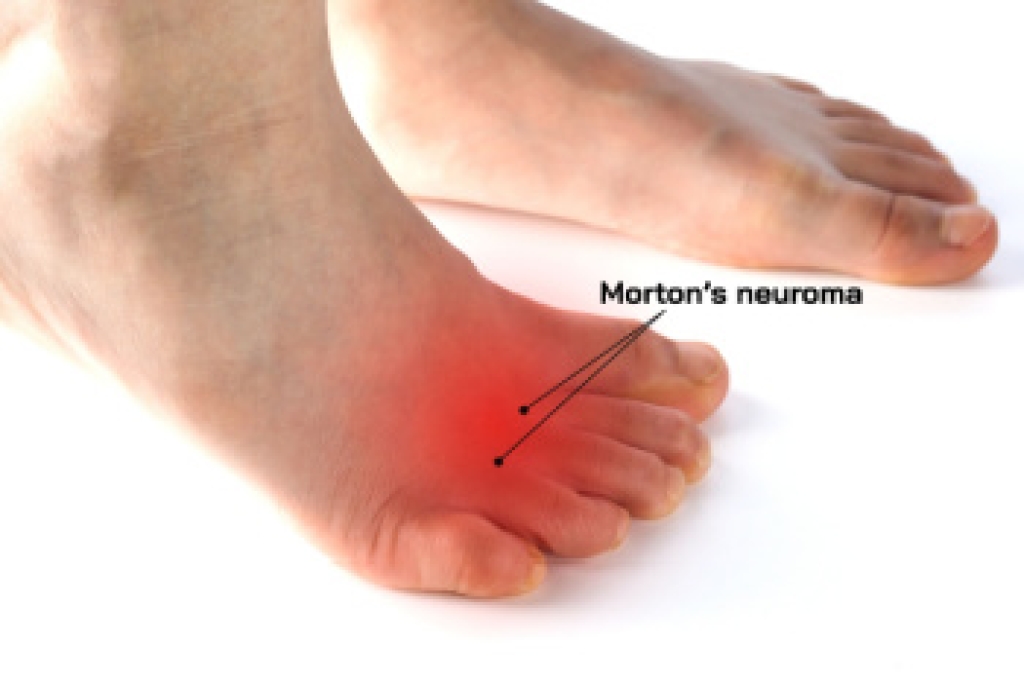
Morton's neuroma is a painful foot condition that commonly affects the areas between the second and third or third and fourth toe, although other areas of the foot are also susceptible. Morton’s neuroma is caused by an inflamed nerve in the foot that is being squeezed and aggravated by surrounding bones.

What Increases the Chances of Having Morton’s Neuroma?

  • Ill-fitting high heels or shoes that add pressure to the toe or foot
  • Jogging, running or any sport that involves constant impact to the foot
  • Flat feet, bunions, and any other foot deformities

Morton’s neuroma is a very treatable condition. Orthotics and shoe inserts can often be used to alleviate the pain on the forefront of the feet. In more severe cases, corticosteroids can also be prescribed. In order to figure out the best treatment for your neuroma, it’s recommended to seek the care of a podiatrist who can diagnose your condition and provide different treatment options.

If you have any questions, please feel free to contact our office located in Lewiston, ID . We offer the newest diagnostic and treatment technologies for all your foot care needs.

Read more about What is Morton's Neuroma?

Inspect Your Feet Regularly for Abnormalities if You're Diabetic

Diabetic patients often have decreased sensitivity in their feet, which makes a visual inspection of the feet even more important. If you're diabetic, having periodic screenings is extremely important for maintaining the overall health of your feet. 

Connect With Us

scroll to top