Big Toe Pain

Osteoarthritis in the big toe, often called hallux rigidus, occurs when the cartilage in the joint at the base of the toe gradually wears down. This joint plays an important role in walking, especially during push-off. Over time, repeated stress, prior injury, or inherited foot structure can lead to joint damage. Patients often notice pain and stiffness in the big toe, particularly when bending it upward. The joint may appear swollen, enlarged, or develop a visible bump from bone spurs. Shoes with a narrow toe box can make the discomfort worse, and walking or running may become difficult. As the condition progresses, motion in the joint becomes limited and the pain may increase. A podiatrist can evaluate the joint, obtain imaging if needed, and determine the stage of arthritis. Treatment may include shoe modifications, custom orthotics, anti-inflammatory care, and targeted exercises. In advanced cases, surgical options may be discussed. If you have osteoarthritis in the big toe, it is suggested that you make an appointment with a podiatrist for proper evaluation and care.

Toe pain can disrupt your daily activities. If you have any concerns, contact Richard M. Allen, DPM of Idaho. our doctor can provide the care you need to keep you pain-free and on your feet.

What Causes Toe Pain?

Most severe toe pain is caused due to a sports injury, trauma from dropping something heavy on the toe, or bumping into something rigid. Other problems can develop over time for various reasons.

Toe pain can be caused by one or more ailments. The most common include:

  • Trauma
  • Sports injury
  • Wearing shoes that are too tight
  • Arthritis
  • Gout
  • Corns and calluses
  • Hammertoe
  • Bunions
  • Blisters
  • Ingrown toenails
  • Sprains
  • Fractures (broken bones)
  • Dislocations

When to See a Podiatrist

  • Severe pain
  • Persistent pain that lasts more than a week
  • Signs of infection
  • Continued swelling
  • Pain that prevents walking

Diagnosis

In many cases the cause of toe pain is obvious, but in others, a podiatrist may want to use more advanced methods to determine the problem. These can range from simple visual inspections and sensation tests to X-rays and MRI scans. Prior medical history, family medical history, and any recent physical traumatic events will all be taken into consideration for a proper diagnosis.

Treatment

Treatments for toe pain and injuries vary and may include shoe inserts, padding, taping, medicines, injections, and in some cases, surgery. If you believe that you have broken a toe, please see a podiatrist as soon as possible.

If you have any questions please contact our office located in Lewiston, ID . We offer the newest diagnostic and treatment technologies for all your foot and ankle needs.

Read more about Toe Pain

It's Time for Beautiful Feet

You don't need an excuse to have beautiful nails. Step outside without worrying about the appearance of your feet.

When Soft Tissue Scarring and Inflammation Affect the Feet

Soft tissue in the feet includes muscles, tendons, ligaments, and connective tissue that allow movement and absorb daily stress. Injury, surgery, repetitive strain, or long-standing inflammation can lead to scar formation within these tissues. Scar tissue is less flexible than healthy tissue, which may cause stiffness, aching, or sharp discomfort with walking or standing. Inflammation often accompanies this process, contributing to swelling, warmth, and limited motion. Over time, altered gait patterns may place extra stress on surrounding areas, increasing the risk of ongoing pain or secondary problems. Early care can help reduce irritation and improve mobility through proper footwear, activity modification, and targeted treatments. Persistent symptoms should not be ignored, especially when they interfere with daily activities. If foot pain, stiffness, or swelling continues, it is suggested that you see a podiatrist for a proper diagnosis and treatment plan.

Foot Pain

Foot pain can be extremely painful and debilitating. If you have a foot pain, consult with Richard M. Allen, DPM from Idaho. our doctor will assess your condition and provide you with quality foot and ankle treatment.

Causes

Foot pain is a very broad condition that could be caused by one or more ailments. The most common include:

  • Bunions
  • Hammertoes
  • Plantar Fasciitis
  • Bone Spurs
  • Corns
  • Tarsal Tunnel Syndrome
  • Ingrown Toenails
  • Arthritis (such as Gout, Rheumatoid, and Osteoarthritis)
  • Flat Feet
  • Injury (from stress fractures, broken toe, foot, ankle, Achilles tendon ruptures, and sprains)
  • And more

Diagnosis

To figure out the cause of foot pain, podiatrists utilize several different methods. This can range from simple visual inspections and sensation tests to X-rays and MRI scans. Prior medical history, family medical history, and any recent physical traumatic events will all be taken into consideration for a proper diagnosis.

Treatment

Treatment depends upon the cause of the foot pain. Whether it is resting, staying off the foot, or having surgery; podiatrists have a number of treatment options available for foot pain.

If you have any questions, please feel free to contact our office located in Lewiston, ID . We offer the newest diagnostic and treatment technologies for all your foot care needs.

Read more about Foot Pain

Foods That May Help to Reduce the Risk of Gout

Gout is a form of inflammatory arthritis caused by a buildup of uric acid crystals in the joints. It commonly affects the big toe, leading to sudden and intense pain, redness, swelling, and warmth in the joint. The discomfort may develop quickly and become severe enough to limit walking. Foods high in purines, such as red meat, shellfish, and sugary beverages, can increase uric acid levels and trigger flare ups. Choosing fresh vegetables, fruits, whole grains, and adequate water intake may help to reduce risk. Maintaining a healthy weight also supports prevention. A podiatrist can diagnose gout, manage pain, and recommend treatment to protect joint health. If you have developed gout, it is suggested that you are under the care of a podiatrist who can help you to manage this painful condition.

Gout is a painful condition that can be treated. If you are seeking treatment, contact Richard M. Allen, DPM from Idaho. our doctor will treat your foot and ankle needs.

What Is Gout?

Gout is a form of arthritis that is characterized by sudden, severe attacks of pain, redness, and tenderness in the joints. The condition usually affects the joint at the base of the big toe. A gout attack can occur at any random time, such as the middle of the night while you are asleep.

Symptoms

  • Intense Joint Pain - Usually around the large joint of your big toe, and it most severe within the first four to twelve hours
  • Lingering Discomfort - Joint discomfort may last from a few days to a few weeks
  • Inflammation and Redness -Affected joints may become swollen, tender, warm and red
  • Limited Range of Motion - May experience a decrease in joint mobility

Risk Factors

  • Genetics - If family members have gout, you’re more likely to have it
  • Medications - Diuretic medications can raise uric acid levels
  • Gender/Age - Gout is more common in men until the age of 60. It is believed that estrogen protects women until that point
  • Diet - Eating red meat and shellfish increases your risk
  • Alcohol - Having more than two alcoholic drinks per day increases your risk
  • Obesity - Obese people are at a higher risk for gout

Prior to visiting your podiatrist to receive treatment for gout, there are a few things you should do beforehand. If you have gout you should write down your symptoms--including when they started and how often you experience them, important medical information you may have, and any questions you may have. Writing down these three things will help your podiatrist in assessing your specific situation so that he or she may provide the best route of treatment for you.

If you have any questions, please feel free to contact our office located in Lewiston, ID . We offer the newest diagnostic and treatment technologies for all your foot care needs.

Read more about Gout

Causes and Symptoms of Plantar Fasciitis

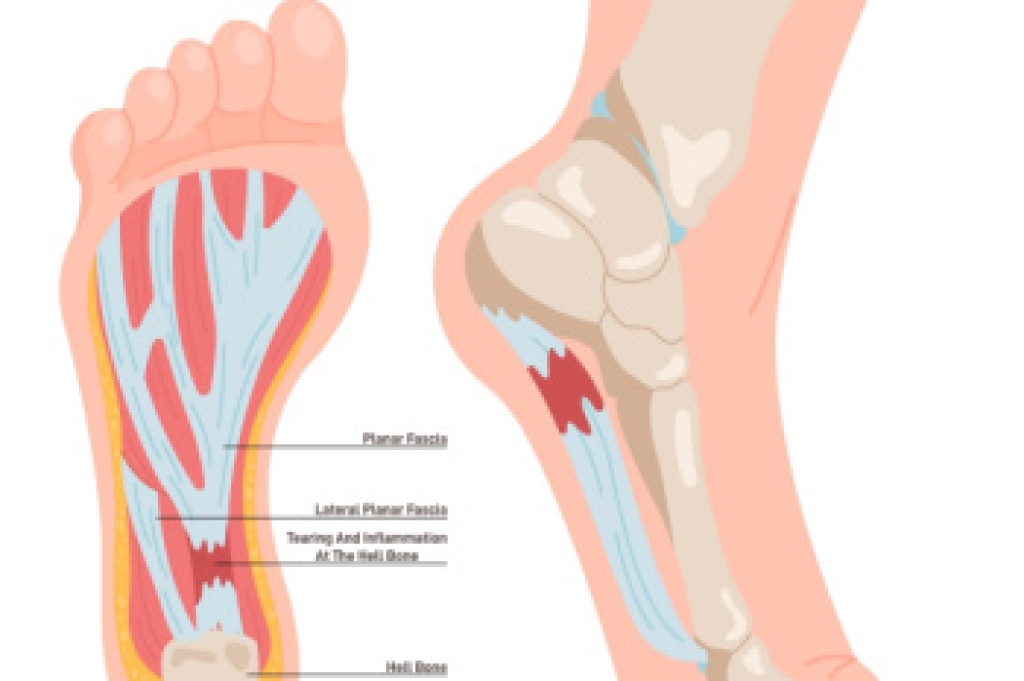
Plantar fasciitis is the inflammation of the thick band of tissue that runs along the bottom of the foot, connecting the heel to the toes. It typically causes sharp pain in the heel, especially with the first steps in the morning or after prolonged periods of rest. Risk factors include obesity, prolonged standing, tight calf muscles, and high-impact repetitive activities like running. Contributing causes include poor footwear, flat feet, or high arches. A podiatrist can evaluate foot structure, recommend custom orthotics, suggest stretching and strengthening exercises, and offer treatments to reduce inflammation and pain. If you have heel pain, it is strongly suggested that you consult a podiatrist who can provide an accurate diagnosis and treatment. 

Plantar fasciitis can be very painful and inconvenient. If you are experiencing heel pain or symptoms of plantar fasciitis, contact Richard M. Allen, DPM  from Idaho. our doctor can provide the care you need to keep you pain-free and on your feet.

What Is Plantar Fasciitis?

Plantar fasciitis is the inflammation of the thick band of tissue that runs along the bottom of your foot, known as the plantar fascia, and causes mild to severe heel pain.

What Causes Plantar Fasciitis?

  • Excessive running
  • Non-supportive shoes
  • Overpronation
  • Repeated stretching and tearing of the plantar fascia

How Can It Be Treated?

  • Conservative measures – anti-inflammatories, ice packs, stretching exercises, physical therapy, orthotic devices
  • Shockwave therapy – sound waves are sent to the affected area to facilitate healing and are usually used for chronic cases of plantar fasciitis
  • Surgery – usually only used as a last resort when all else fails. The plantar fascia can be surgically detached from the heel

While very treatable, plantar fasciitis is definitely not something that should be ignored. Especially in severe cases, speaking to your doctor right away is highly recommended to avoid complications and severe heel pain. Your podiatrist can work with you to provide the appropriate treatment options tailored to your condition.

If you have any questions, please feel free to contact our office located in Lewiston, ID . We offer the newest diagnostic and treatment technologies for all your foot care needs.

Read more about Plantar Fasciitis

Connect With Us

scroll to top