
Do you suffer from heel pain when you get up in the morning? If so, you should seek professional help and have a proper diagnosis performed. Heel pain can be caused by several different foot-related conditions.
Do you suffer from heel pain when you get up in the morning? If so, you should seek professional help and have a proper diagnosis performed. Heel pain can be caused by several different foot-related conditions.

Plantar fasciitis is one of the most common causes of heel pain. It occurs when the plantar fascia, a thick band of tissue that supports the arch of the foot, becomes irritated or inflamed. Many patients notice sharp pain with their first steps in the morning or after sitting for long periods. The heel may feel tender, tight, or slightly swollen, and discomfort often improves after walking a bit but returns later in the day. Causes include overuse, flat feet, high arches, tight calf muscles, or shoes that lack support. A podiatrist begins with a careful examination and may use imaging to confirm the diagnosis and rule out other causes of heel pain. Treatment focuses on reducing inflammation and supporting the foot. Options may include custom orthotics, supportive footwear, and targeted exercises to stretch and strengthen the plantar fascia and surrounding muscles. Early care can prevent the condition from becoming chronic and help patients return to comfortable walking. If you have ongoing heel pain, it is suggested that you make an appointment with a podiatrist.
Plantar fasciitis is a common foot condition that is often caused by a strain injury. If you are experiencing heel pain or symptoms of plantar fasciitis, contact Richard M. Allen, DPM from Idaho. our doctor can provide the care you need to keep you pain-free and on your feet.
What Is Plantar Fasciitis?
Plantar fasciitis is one of the most common causes of heel pain. The plantar fascia is a ligament that connects your heel to the front of your foot. When this ligament becomes inflamed, plantar fasciitis is the result. If you have plantar fasciitis you will have a stabbing pain that usually occurs with your first steps in the morning. As the day progresses and you walk around more, this pain will start to disappear, but it will return after long periods of standing or sitting.
What Causes Plantar Fasciitis?
There are some risk factors that may make you more likely to develop plantar fasciitis compared to others. The condition most commonly affects adults between the ages of 40 and 60. It also tends to affect people who are obese because the extra pounds result in extra stress being placed on the plantar fascia.
Prevention
There are a variety of treatment options available for plantar fasciitis along with the pain that accompanies it. Additionally, physical therapy is a very important component in the treatment process. It is important that you meet with your podiatrist to determine which treatment option is best for you.
If you have any questions, please feel free to contact our office located in Lewiston, ID . We offer the newest diagnostic and treatment technologies for all your foot care needs.
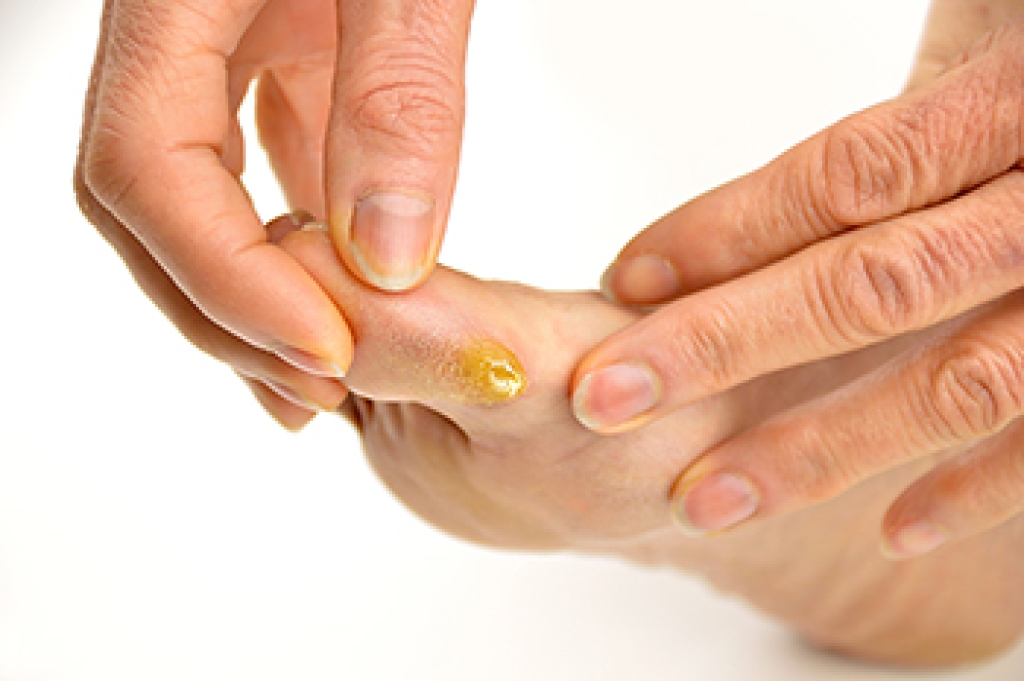
Athletes place repeated pressure on their feet during running, jumping, and quick direction changes. Over time, this constant friction and stress can cause the skin to thicken in certain areas. Corns and calluses are the body’s natural response to protect the skin from ongoing pressure. Calluses usually appear as larger areas of thickened skin on the ball of the foot or heel, while corns are smaller and often form on the tops or sides of toes where shoes rub. Although this thickened skin may begin as a protective response, it can become painful if it continues to build up. Wearing poorly fitting athletic shoes, tight cleats, or foot structure differences may increase pressure on certain parts of the foot. Proper footwear, protective padding, and routine foot care may help reduce irritation. When corns or calluses become painful or keep returning, it is suggested that you see a podiatrist for an evaluation and appropriate treatment.
If you have any concerns regarding your feet and ankles, contact Richard M. Allen, DPM of Idaho. our doctor will treat your foot and ankle needs.
Corns: What Are They? and How Do You Get Rid of Them?
Corns can be described as areas of the skin that have thickened to the point of becoming painful or irritating. They are often layers and layers of the skin that have become dry and rough, and are normally smaller than calluses.
Ways to Prevent Corns
There are many ways to get rid of painful corns such as wearing:
Treating Corns
Treatment of corns involves removing the dead skin that has built up in the specific area of the foot. Consult with our doctor to determine the best treatment option for your case of corns.
If you have any questions, please feel free to contact our office located in Lewiston, ID . We offer the newest diagnostic and treatment technologies for all your foot care needs.
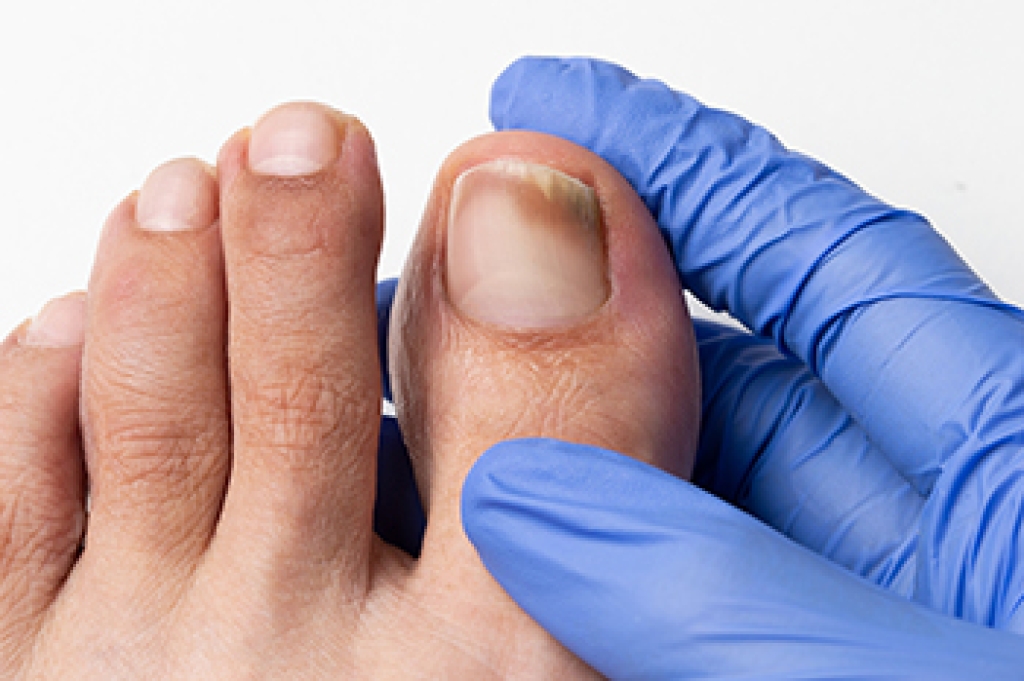
Toenail fungus is a common condition that often begins quietly. You may first notice a small white or yellow spot under the nail. Over time, the nail can become thick, brittle, discolored, and difficult to trim. Some nails may lift from the nail bed or develop a crumbly texture. Warm, moist environments inside shoes create an ideal setting for fungal growth. People who use public pools, share nail tools, or have diabetes are at higher risk. Treatment depends on the severity of the infection. Mild cases may respond to prescription topical medications applied daily. More advanced infections often require oral antifungal medicine to reach the fungus beneath the nail. In certain situations, partial nail removal may be recommended to allow better healing. Early care improves the chance of clearing the infection and preventing spread to other nails. If you notice persistent toenail changes, it is suggested that you see a podiatrist for a proper diagnosis and appropriate treatment.
If left untreated, toenail fungus may spread to other toenails, skin, or even fingernails. If you suspect you have toenail fungus it is important to seek treatment right away. For more information about treatment, contact Richard M. Allen, DPM of Idaho. our doctor can provide the care you need to keep you pain-free and on your feet.
Symptoms
Treatment
If self-care strategies and over-the-counter medications does not help your fungus, your podiatrist may give you a prescription drug instead. Even if you find relief from your toenail fungus symptoms, you may experience a repeat infection in the future.
Prevention
In order to prevent getting toenail fungus in the future, you should always make sure to wash your feet with soap and water. After washing, it is important to dry your feet thoroughly especially in between the toes. When trimming your toenails, be sure to trim straight across instead of in a rounded shape. It is crucial not to cover up discolored nails with nail polish because that will prevent your nail from being able to “breathe”.
In some cases, surgical procedure may be needed to remove the toenail fungus. Consult with your podiatrist about the best treatment options for your case of toenail fungus.
If you have any questions please contact our office located in Lewiston, ID . We offer the newest diagnostic and treatment technologies for all your foot and ankle needs.

Osteoarthritis in the big toe, often called hallux rigidus, occurs when the cartilage in the joint at the base of the toe gradually wears down. This joint plays an important role in walking, especially during push-off. Over time, repeated stress, prior injury, or inherited foot structure can lead to joint damage. Patients often notice pain and stiffness in the big toe, particularly when bending it upward. The joint may appear swollen, enlarged, or develop a visible bump from bone spurs. Shoes with a narrow toe box can make the discomfort worse, and walking or running may become difficult. As the condition progresses, motion in the joint becomes limited and the pain may increase. A podiatrist can evaluate the joint, obtain imaging if needed, and determine the stage of arthritis. Treatment may include shoe modifications, custom orthotics, anti-inflammatory care, and targeted exercises. In advanced cases, surgical options may be discussed. If you have osteoarthritis in the big toe, it is suggested that you make an appointment with a podiatrist for proper evaluation and care.
Toe pain can disrupt your daily activities. If you have any concerns, contact Richard M. Allen, DPM of Idaho. our doctor can provide the care you need to keep you pain-free and on your feet.
What Causes Toe Pain?
Most severe toe pain is caused due to a sports injury, trauma from dropping something heavy on the toe, or bumping into something rigid. Other problems can develop over time for various reasons.
Toe pain can be caused by one or more ailments. The most common include:
When to See a Podiatrist
Diagnosis
In many cases the cause of toe pain is obvious, but in others, a podiatrist may want to use more advanced methods to determine the problem. These can range from simple visual inspections and sensation tests to X-rays and MRI scans. Prior medical history, family medical history, and any recent physical traumatic events will all be taken into consideration for a proper diagnosis.
Treatment
Treatments for toe pain and injuries vary and may include shoe inserts, padding, taping, medicines, injections, and in some cases, surgery. If you believe that you have broken a toe, please see a podiatrist as soon as possible.
If you have any questions please contact our office located in Lewiston, ID . We offer the newest diagnostic and treatment technologies for all your foot and ankle needs.
Connect With Us
